Daily Care
How to Brush and Floss Properly: A Complete Guide
2026-04-18
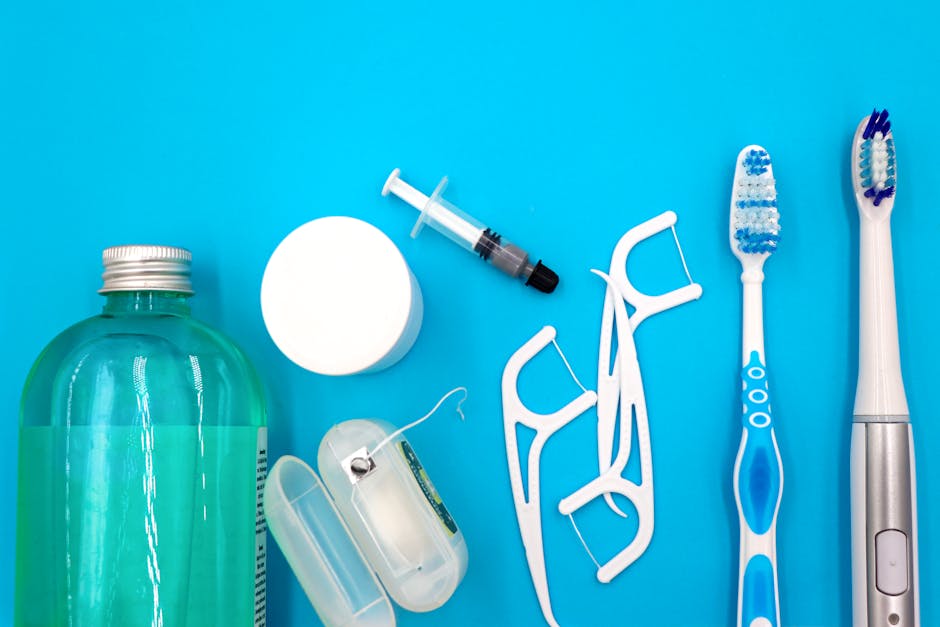
You've been brushing your teeth since childhood, but are you doing it correctly? Many people develop habits that don't effectively clean their teeth, missing areas where plaque and bacteria accumulate. Learning the right technique makes a real difference to your dental health.
The Right Way to Brush
Use a soft-bristled toothbrush and fluoride toothpaste. Brush at a 45-degree angle to your gumline, using gentle, circular motions rather than aggressive scrubbing. Work systematically through all surfaces: the outer surfaces, inner surfaces, and chewing surfaces of your teeth.
Spend at least two minutes brushing. Many people rush through in 30 seconds, missing areas and not giving the fluoride time to work. Brush twice daily, ideally after meals, but certainly morning and evening.
Don't Neglect the Gumline
This is where plaque accumulates and gum disease begins. Angle your brush so bristles reach just below the gumline. Be gentle—aggressive brushing can damage gums and cause recession. Your gums should never bleed during normal brushing; if they do, it often indicates gum disease.
Flossing Essentials
Flossing removes plaque from between teeth where your toothbrush can't reach. Use about 45 centimetres of floss, wrapping most around your fingers and using a small section for cleaning. Gently guide the floss between teeth using a sawing motion, then curve it around each tooth and slide it beneath the gumline.
Don't snap the floss down onto your gums—this causes damage. Instead, ease it gently into place. Floss once daily, preferably before bed, to remove debris that would otherwise sit overnight.
Other Helpful Tools
Interdental brushes work well for larger gaps between teeth. Water flossers can be useful if you have difficulty with traditional floss, though they're not a complete replacement. An electric toothbrush with a timer helps ensure you brush for long enough.
Making It a Habit
Proper technique becomes automatic with practice. At first, it might feel slow and awkward, but after a few weeks, it becomes second nature. Your teeth and gums will feel noticeably healthier, which provides great motivation to maintain these habits.